


How to Choose the Right Fully Automatic Terminal Machine (No Fluff, Just Actionable Steps)


Forget fancy spec sheets. Choosing a fully automatic terminal crimping machine comes down to three things: what wire you process, how many pieces you need daily, and what quality level your customer demands. Follow this practical guide and you won’t go wrong.
Part 1: Three Core Questions – Quickly Narrow Down Your Machine
1. What type of wire do you crimp?
Only standard electronic wire or power cord → Choose a general-purpose fully automatic double‑end terminal crimper.
Very thin wire (AWG28–32) with high requirements (medical/automotive) → Go for a precision servo model with crimp force monitoring.
One end needs a terminal, the other end needs tinning → Select a single‑end tinning terminal machine.
Flat ribbon cable, color ribbon cable, or multi‑core wire → Choose a dedicated parallel/multi‑wire machine.
2. How many pieces do you produce per day?
Less than 10,000 pieces/day → A standard double‑end machine offers the best price/performance ratio.
10,000 – 50,000 pieces/day → A full‑servo high‑speed machine.
Above 50,000 pieces/day → Consider a double‑end high‑speed machine with automatic collection.
3. How strict are your customers on quality?
Ordinary home appliance or toy wiring (no mandatory testing) → Standard machine is sufficient.
Automotive harness, new energy, medical wire (must pass pull force and crimp height tests) → You must choose a machine with Crimp Force Monitoring (CFM) or terminal pressure management system.
Export products requiring inspection reports → Select a model with data storage and traceability.
Part 2: Match Your Budget – Three Practical Configuration Levels
Entry‑Level Economy (Mid‑range budget)
Configuration: Stepper motor or basic servo + standard dies
Precision: Crimp height tolerance ±0.03 mm
Best for: Small job shops, standard electronic wire, internal wiring
Pros: Affordable, stable, easy to maintain
Mid‑Range – Most Recommended
Configuration: Full servo motors + precision dies
Precision: Crimp height tolerance ±0.02 mm
Best for: The majority of harness factories, home appliance wiring, lighting, industrial control cables
Pros: Fast, stable, low failure rate – the sweet spot for most users
High‑End Precision (Automotive / New Energy)
Configuration: Import‑grade servo + CFM system + high‑precision dies
Precision: Crimp height tolerance ±0.01 mm
Best for: Automotive harnesses, medical devices, new energy, high‑voltage cables
Pros: Full quality control, extremely low reject rate, passes various certifications
Part 3: Five Critical Details You Must Check (Avoid Costly Mistakes)
1. The motor must be servo, not pneumatic
Servo motors are stable, precise, and long‑lasting. They save you money in the long run. Pneumatic systems are outdated for modern multi‑wire processing.
2. Dies must be standard quick‑change type
You don’t want to spend half an hour changing terminals. Quick‑change dies allow you to swap in under 5 minutes.
3. Ability to strip fine wire without damage
A good machine handles wire as thin as 0.3 mm² or smaller without nicking or scratching the copper core. Test this before buying.
4. After‑sales support matters
Terminal crimpers have many wear parts. Can the manufacturer respond quickly when you need repairs or spare parts? Don’t overlook this.
5. Don’t blindly chase maximum speed
Stability is more important than speed. A fast machine that produces high reject rates will cost you more in scrap and rework than it saves in cycle time.
Part 4: One‑Sentence Quick Selection Guide (Just Match Your Case)
Ordinary electronic wire, best value → Fully automatic double‑end terminal crimper (standard servo model)
Automotive / medical / high‑quality harnesses → Precision full‑servo machine + crimp force monitoring
Need tinning or parallel‑wire processing → Single‑end tinning machine / parallel‑wire dedicated machine
Final Advice: Test Before You Invest
Every factory’s wire types, terminal styles, and production conditions are slightly different. Always ask for a sample run on your actual materials. A reliable supplier like Dongguan Juchang Machinery Co., Ltd. will gladly run tests and provide customized solutions for new energy cables, household harnesses, automotive connectors, and more.
Ready to upgrade your crimping line? Contact us today for a no‑obligation consultation or a live demo.
Related Blogs
-
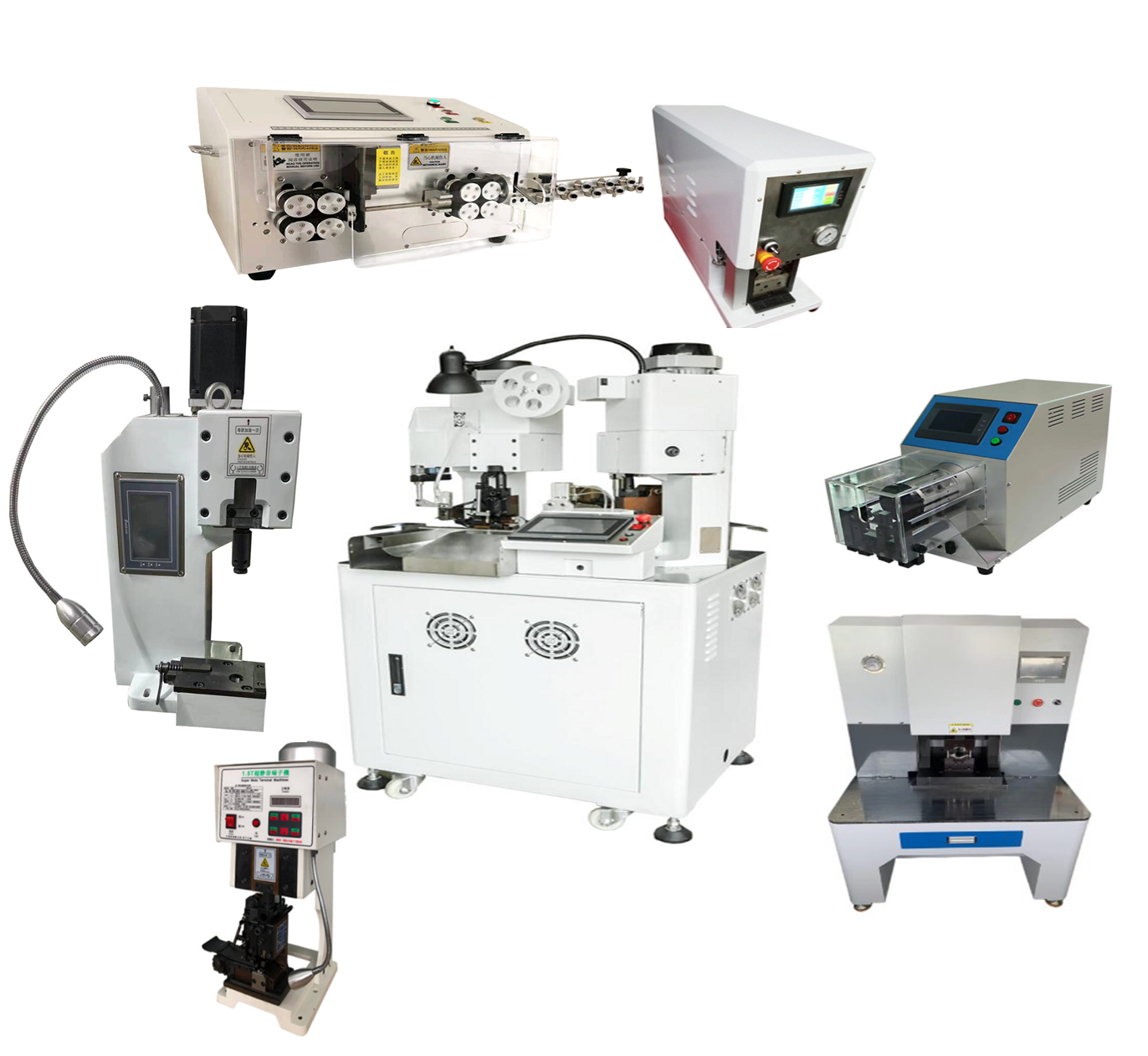 Wire harness processing equipment is a collective term for machinery used in the production of wire harnesses. It is widely utilized across various industries in my country—including electronics, electric motors, and electrical appliances—for the processing of wire harnesses. The application of this equipment has significantly boosted production efficiency and product quality within the wire harness sector, while simultaneously reducing labor and material costs; consequently, it has become an indispensable "essential tool" for modern wire harness manufacturers.
 -
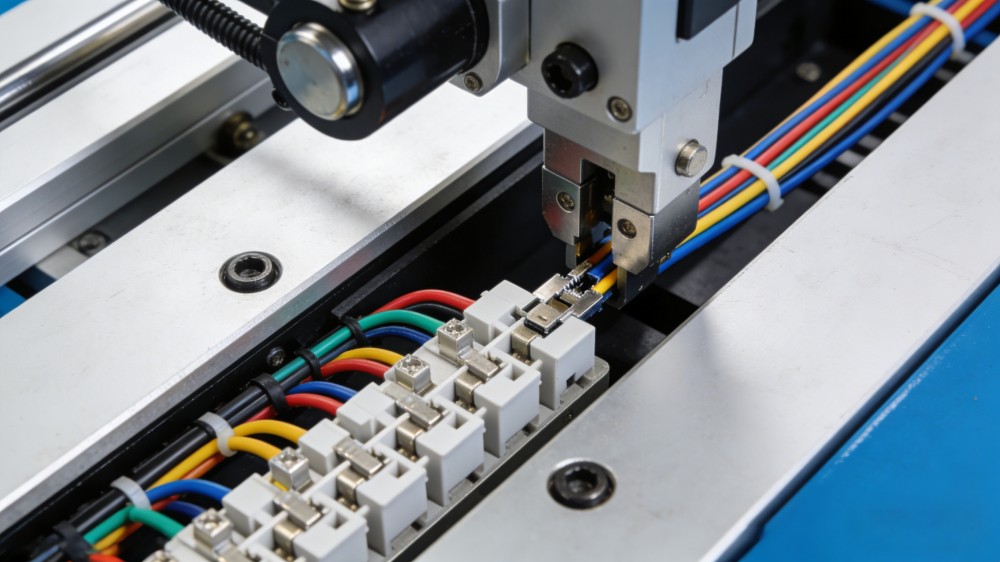 The new energy vehicle (EV) industry is advancing at lightning speed. Every technological improvement, no matter how small, can push the entire sector forward. Behind the scenes, one machine is quietly revolutionizing the production of automotive wire harnesses: the fully automatic insertion termina
 -
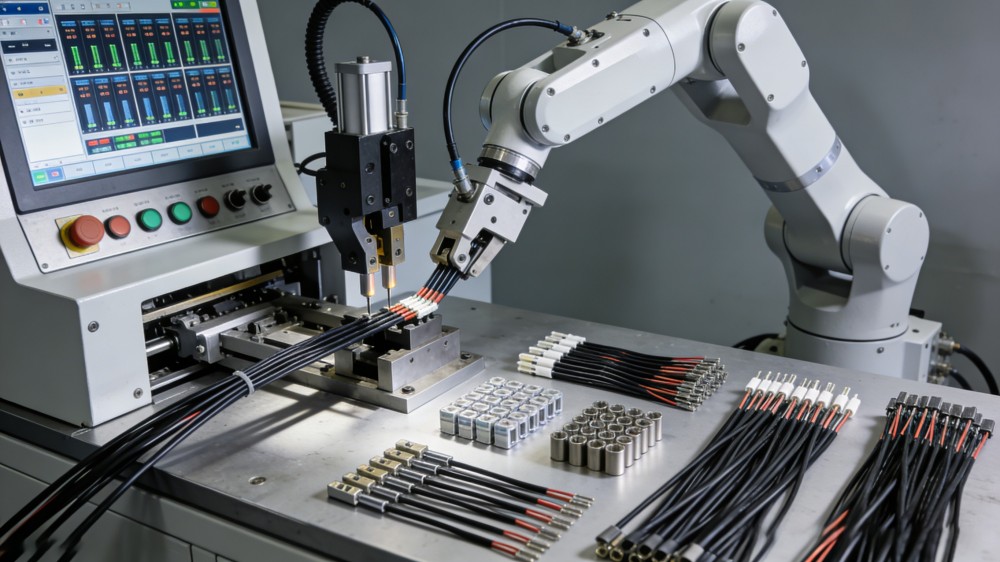 In modern households, the washing machine is an indispensable appliance. It saves us hours of manual labor and makes laundry effortless. But behind the sleek panels and digital displays lies a critical component that often goes unnoticed – the wiring system. And at the heart of producing that wiring
